West Virginia Endangered Properties List for 2024
The Preservation Alliance of West Virginia announces three additions to the West Virginia Endangered Properties List for 2024: West Virginia’s Historic Cut Stone Walls, Charleston’s Municipal Auditorium, and the proposed demolition sites at the New River Gorge National Park and Preserve.
Since 1999, the West Virginia Endangered Properties List has become one of the organization's most useful tools, garnering interest in the preservation of threatened landmarks and landscapes across the state.
According to executive director Danielle Parker, “The Endangered Properties List is a public statement that these places matter, not only to the communities where they are located but to us all because of our shared heritage. The List is an opportunity for communities to come to us and request assistance to preserve places that are important to them.”
Properties added to this year’s list are:
Since 1999, the West Virginia Endangered Properties List has become one of the organization's most useful tools, garnering interest in the preservation of threatened landmarks and landscapes across the state.
According to executive director Danielle Parker, “The Endangered Properties List is a public statement that these places matter, not only to the communities where they are located but to us all because of our shared heritage. The List is an opportunity for communities to come to us and request assistance to preserve places that are important to them.”
Properties added to this year’s list are:
The Works Progress Administration (WPA) and Civilian Conservation Corps (CCC), among other New Deal Initiatives, created a large stock of hand cut, stone walls across the state. This added to West Virginia’s already rich collection of stone walls built by railroad companies and skilled immigrant masons. These walls are now threatened due to age, poor documentation, and lack of awareness. State-wide, hand cut stone walls aged 50 years or older are part of this endangered properties listing.
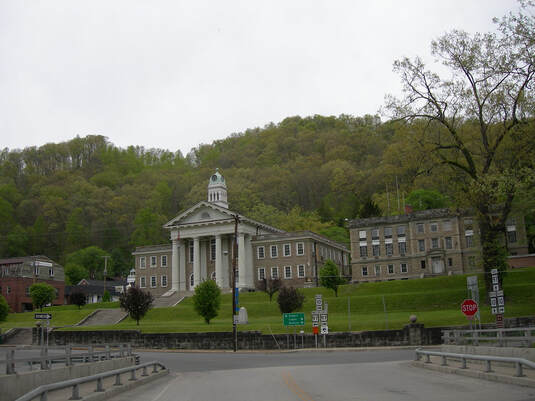
Example of historic stone cut wall outside of Wyoming County Courthouse. Photo credit: Christy Bailey
|
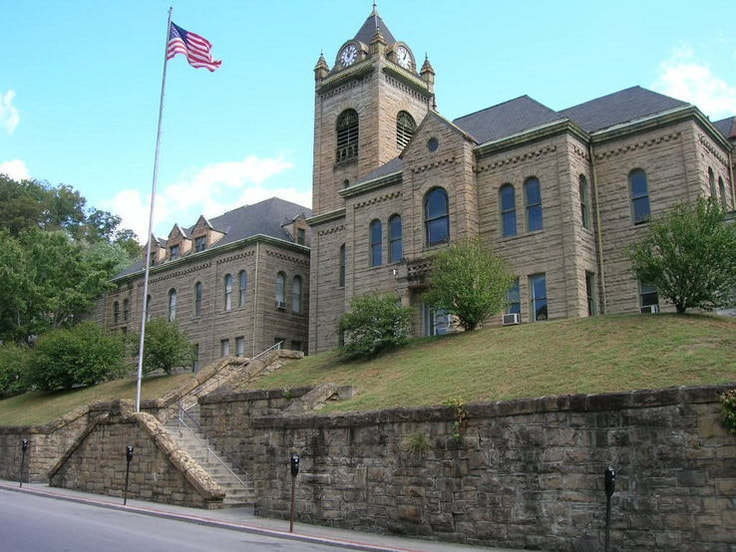
Example of historic stone cut wall outside of McDowell County Courthouse. Photo credit: Christy Bailey
|
In early February of 2024, the city of Charleston made the decision to immediately close its Municipal Auditorium citing life safety hazards related to structural and electrical issues. This caused great concern from the surrounding community, who immediately mobilized to advocate for the building’s preservation. Originally built in 1939 by the Public Works Administration (PWA), the art deco building was placed on the National Register of Historic Places in 1999.
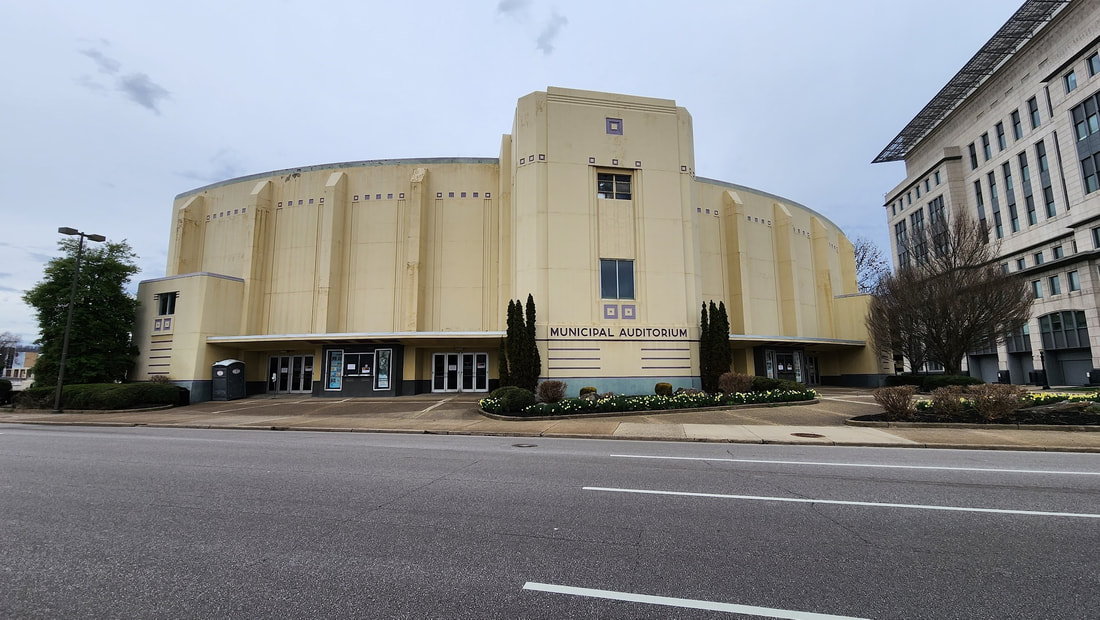
Municipal Auditorium, Charleston. Photo courtesy of David Sibray
|
At the end of 2023, the New River Gorge National Park and Preserve announced that they were pursuing demolition of 35 structures in the park. Thirteen are already listed as contributing to one of several historic districts contained within the park, and one, the Prince Brothers General Store, is individually listed on the National Register. Additionally, eight other buildings are said to be eligible or potentially eligible to be listed on the National Register of Historic Places. Though the National Park Service is considering alternative options to demolition, many have voiced their concerns about demolishing these historic structures in and around Thurmond.
|
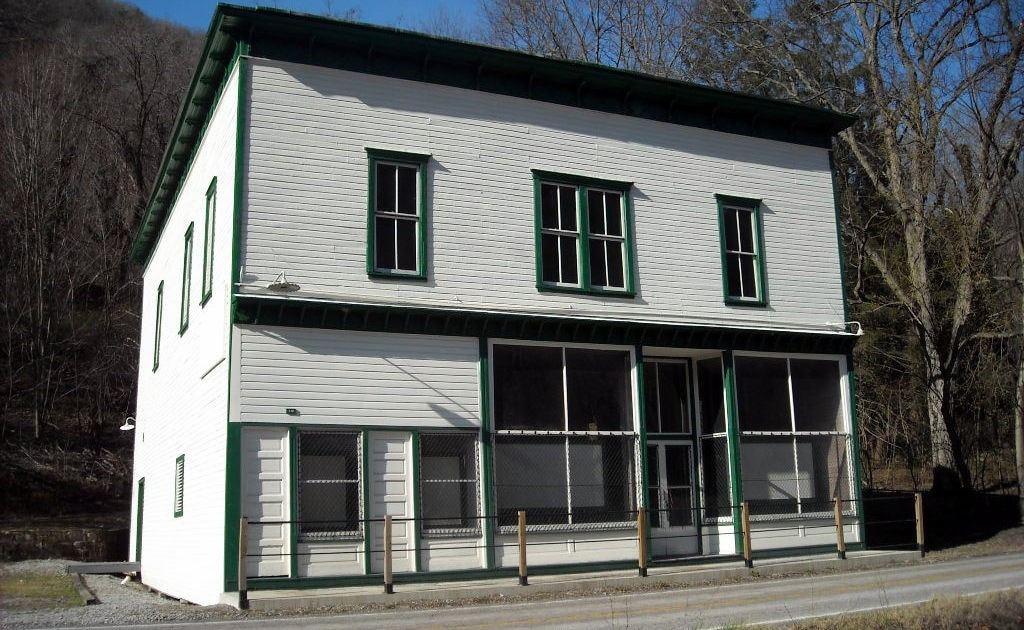
The Prince Brothers General Store is one historic building identified for demolition. Photo credit: National Park Service
|
When a property is nominated by the public, it is evaluated for the Endangered Properties List through a competitive application process based on imminent danger, local support for its reuse, and its listing on (or official eligibility for) the National Register of Historic Places.
The Preservation Alliance aims to help preserve listed properties through targeted advocacy, statewide publicity, and technical assistance. Properties added to the list are eligible to apply for the Alliance’s grants and to collaborate with the Alliance for fundraising assistance. These sites also receive preference for hands-on workshops.
The Preservation Alliance aims to help preserve listed properties through targeted advocacy, statewide publicity, and technical assistance. Properties added to the list are eligible to apply for the Alliance’s grants and to collaborate with the Alliance for fundraising assistance. These sites also receive preference for hands-on workshops.
West Virginia Endangered PropertIesEndangered lists are used by PAWV and other preservation organizations to bring attention to significant historic places in our communities that are in danger of being lost and to find solutions to the problems leading to the eventual loss of historic sites. Selected properties contribute to a community's understanding of its identity and heritage, which will be diminished if they are lost.
The most well-known endangered list is the National Trust for Historic Preservation’s 11 Most Endangered List after which West Virginia’s program is modeled. PAWV uses the information collected through its local nomination process to develop nominations to the national list and to prioritize advocacy and technical support to save West Virginia’s most unique historic places. Sites added to the West Virginia Endangered Properties List will receive the following benefits:
To nominate your building to the West Virginia Endangered Properties List, the property must be listed or eligible for listing on the National Register of Historic Places and meet other criteria such as historic significance, preservation emergency, and local support. Nominations are due on December 31st annually with a special announcement in February at the State Capitol in Charleston, WV. If you have a preservation emergency, please contact the Alliance as we will consider adding a listing at any time of the year. Learn more and preview the nomination form questions by downloading the Endangered Properties Nomination Criteria and Preview. When you are prepared to submit your nomination, use the Google nomination form. |